Technical
How Cable Length and Bending Affect a Furnace Installation
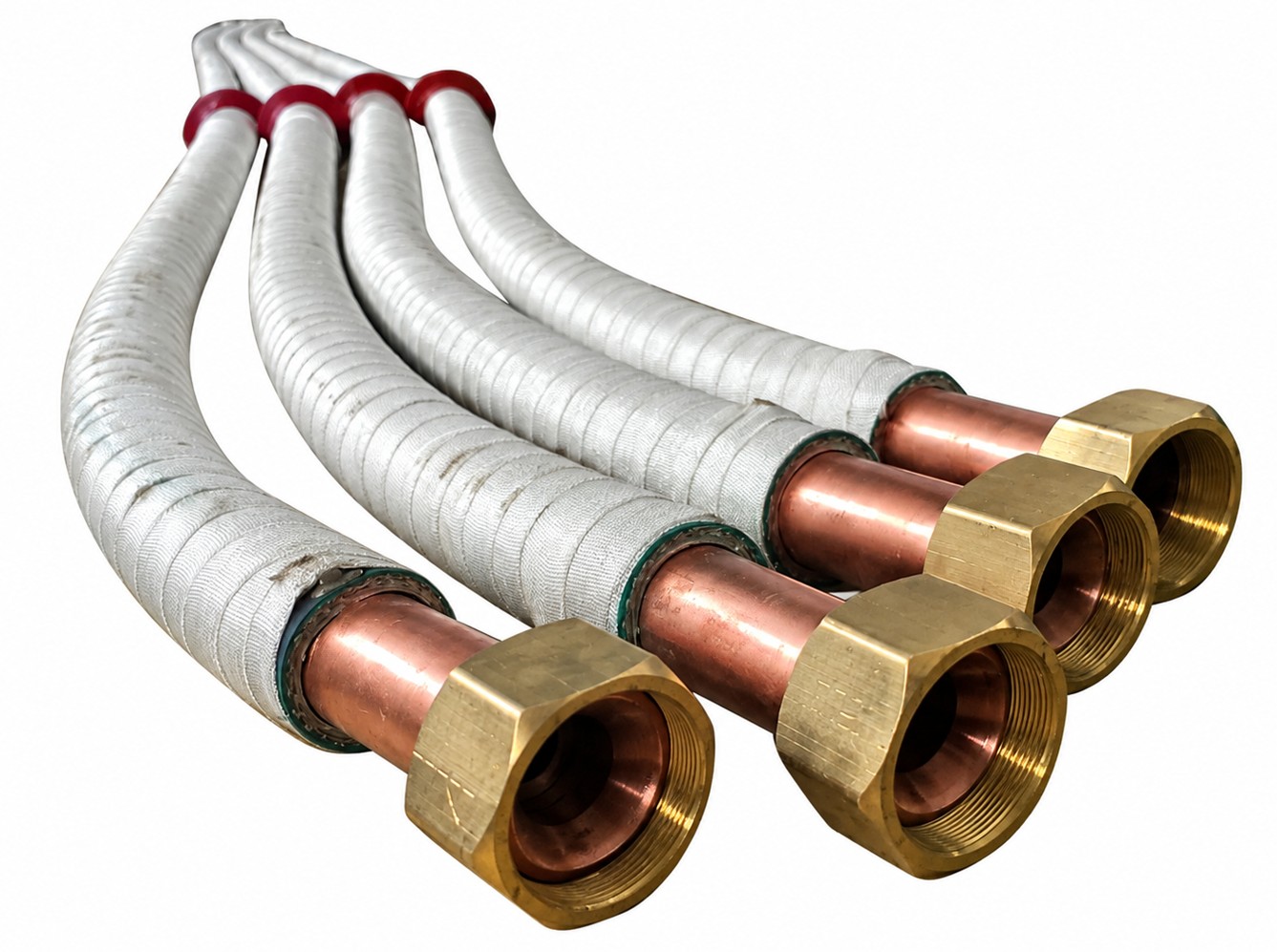
Cable length is one of the simplest specifications to provide, but it is also one of the most common sources of installation problems.
Buyer guides, construction notes, maintenance checks and RFQ advice for water-cooled cables, cable terminals, induction furnace coils and the other copper parts that keep a furnace running.
Cable length is one of the simplest specifications to provide, but it is also one of the most common sources of installation problems.
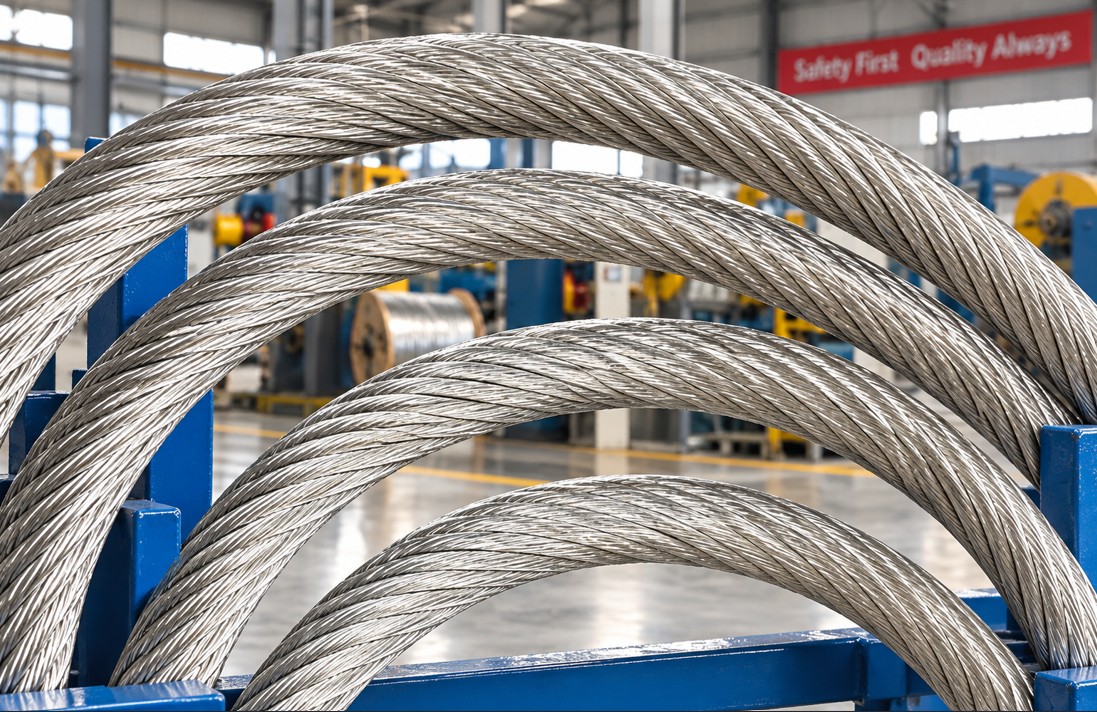
Copper is the main conductive material in many furnace power-cable assemblies because electrical conductivity is central to efficient high-current transmission. However, the final cable is more than a copper…
For a high-current furnace cable, visual inspection alone is not enough. Buyers should confirm that the finished assembly has been checked according to the agreed technical requirements.
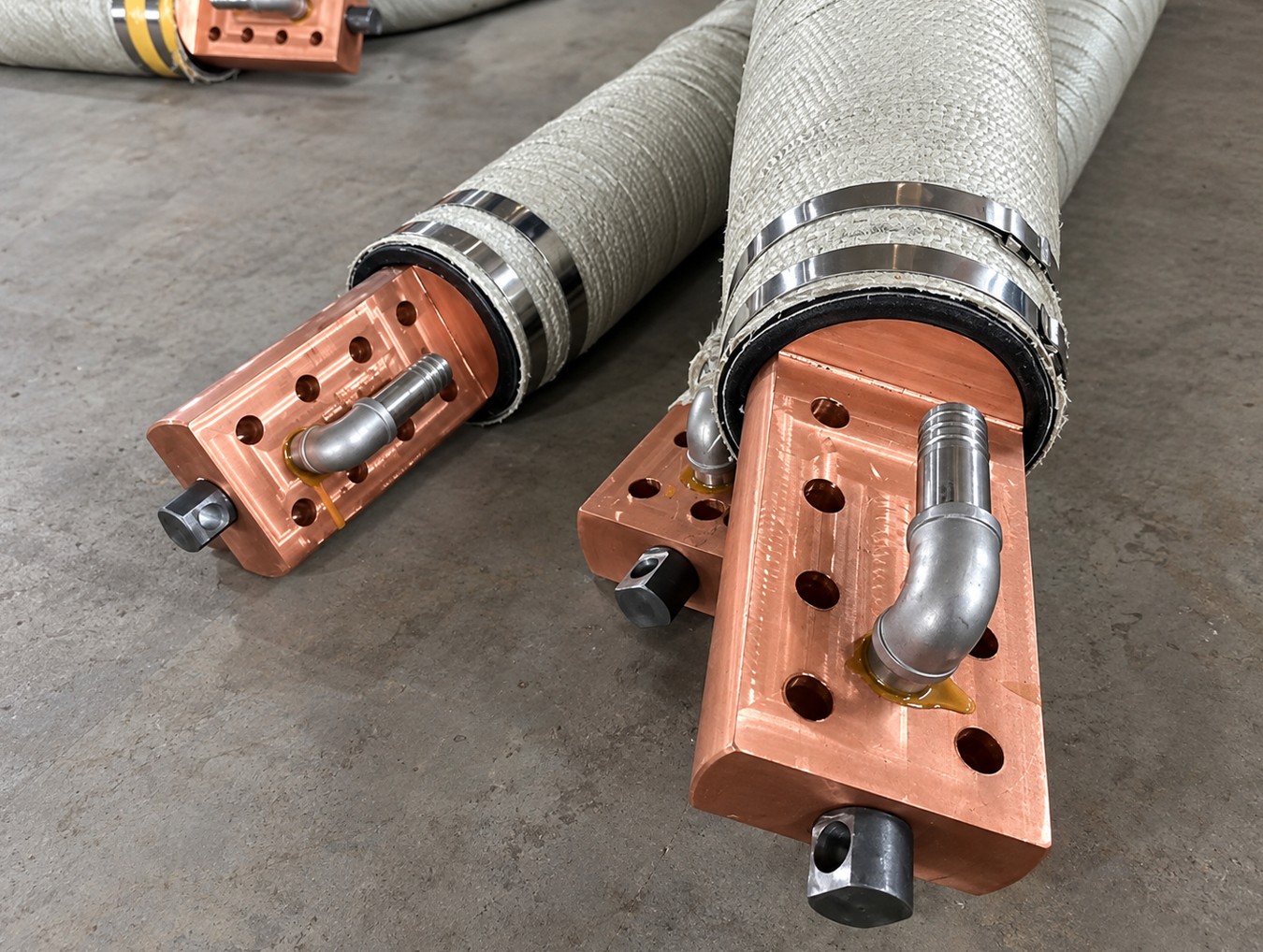
When electrical current becomes very high, thermal management becomes a major part of cable design. Water-cooled power cables are widely used where flexible high-current connections are required in furnace and…
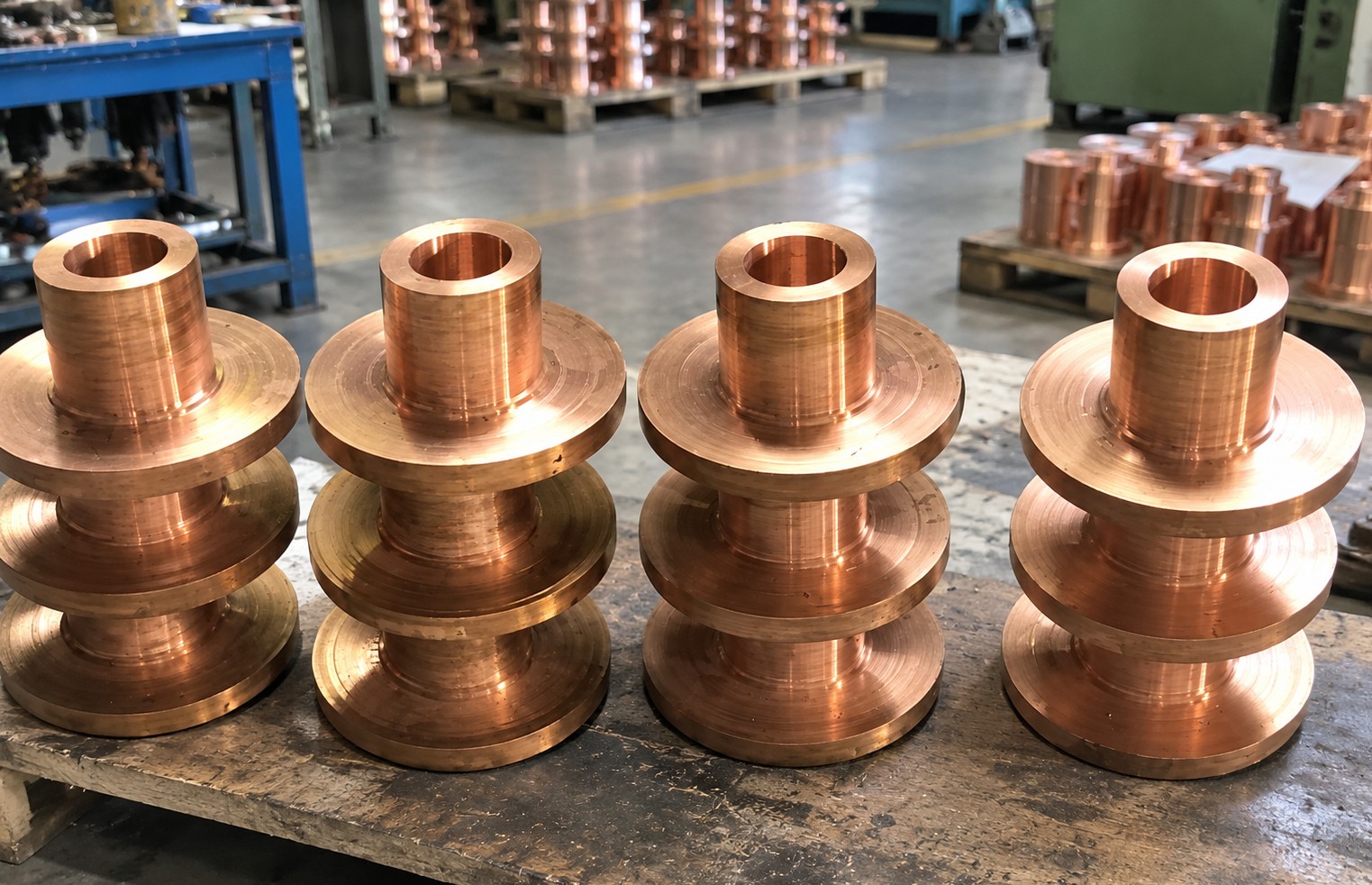
A complete RFQ helps a manufacturer quote faster and reduces repeated questions. For customized water-cooled furnace cables, the most useful RFQ combines technical information with photographs or drawings.
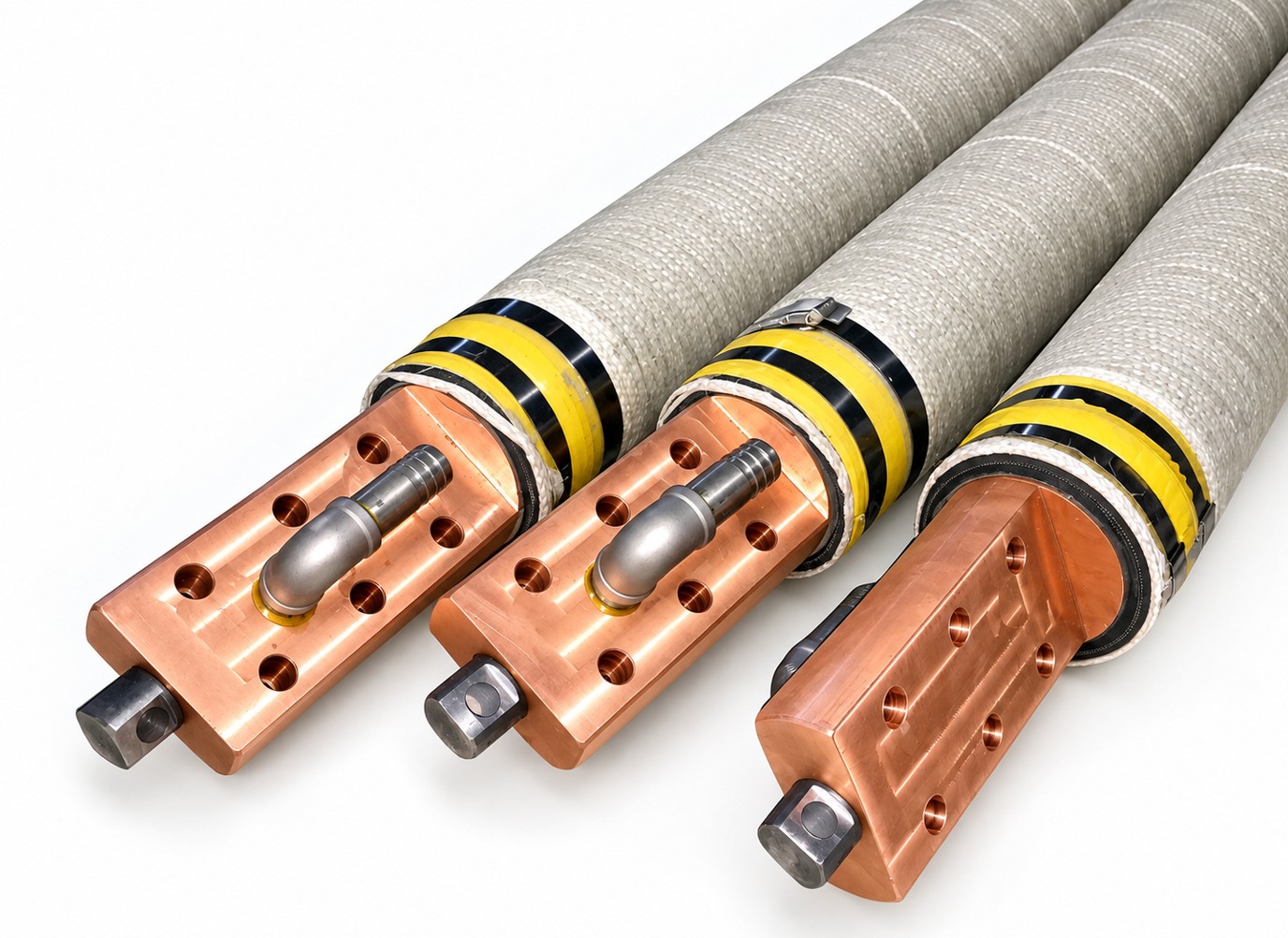
For industrial furnace cable projects, a reliable OEM process starts before production. The objective is to make sure the final cable matches the customer's electrical system, mechanical installation and cooling…
Looking for a topic we have not covered? Email sales@furnacecopperparts.com — we will point you to the right article or write one based on your question.
Ask a question