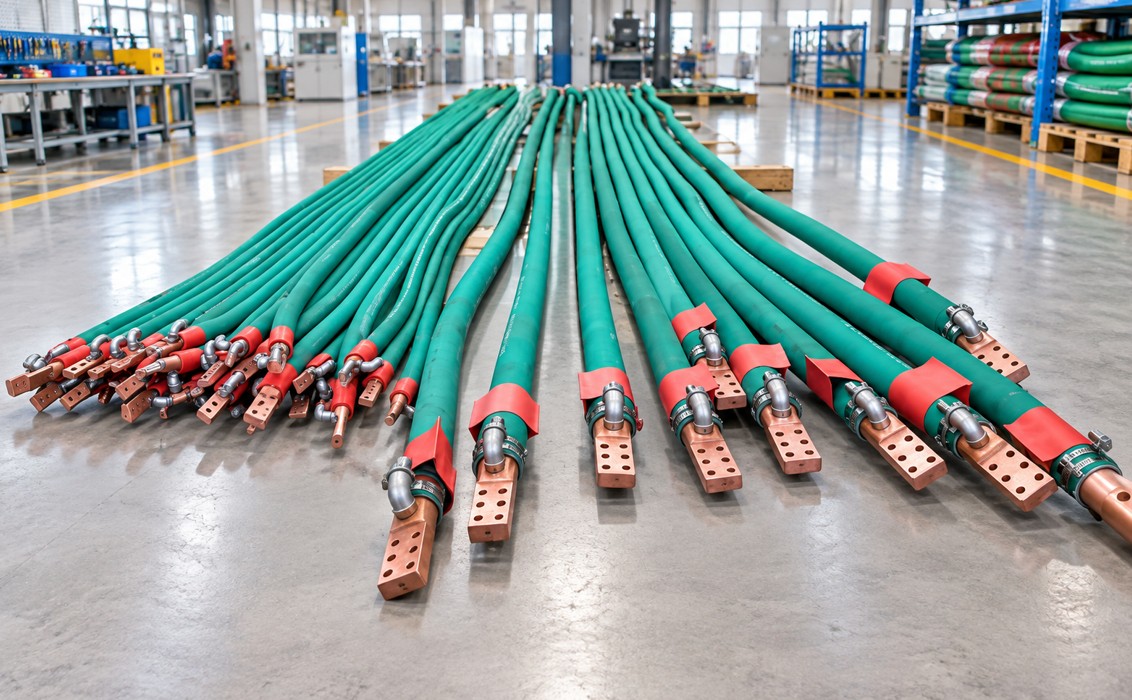
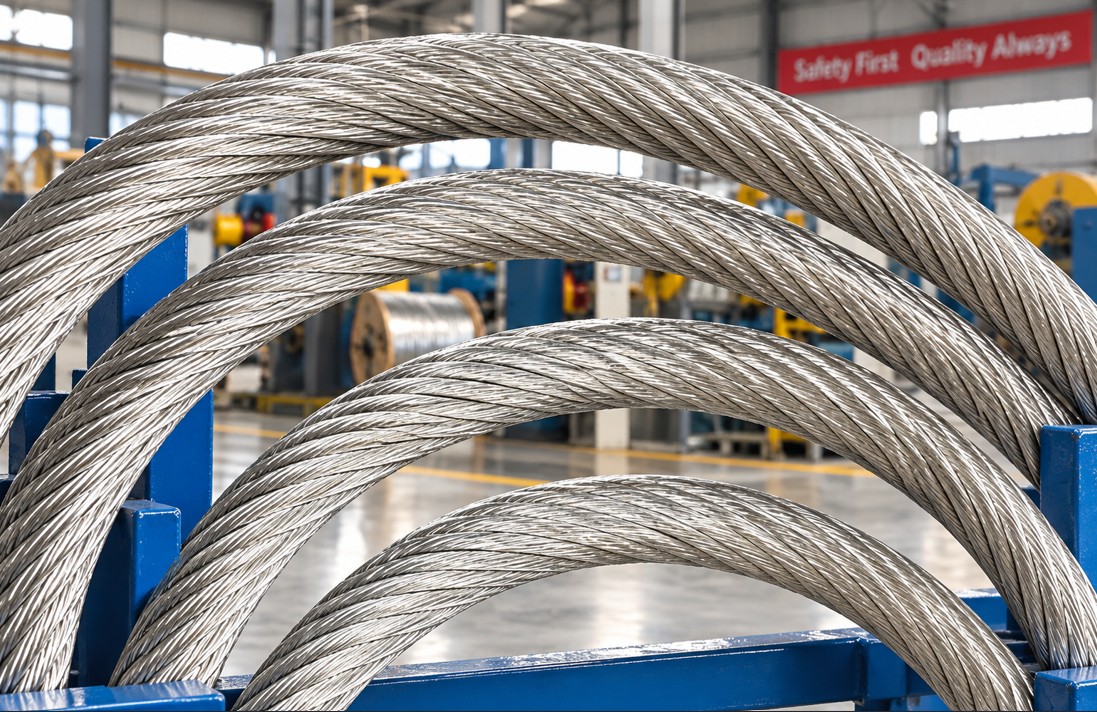
Copper is the main conductive material in many furnace power-cable assemblies because electrical conductivity is central to efficient high-current transmission. However, the final cable is more than a copper conductor: surface protection, flexibility, terminal construction and cooling design all affect the finished assembly.
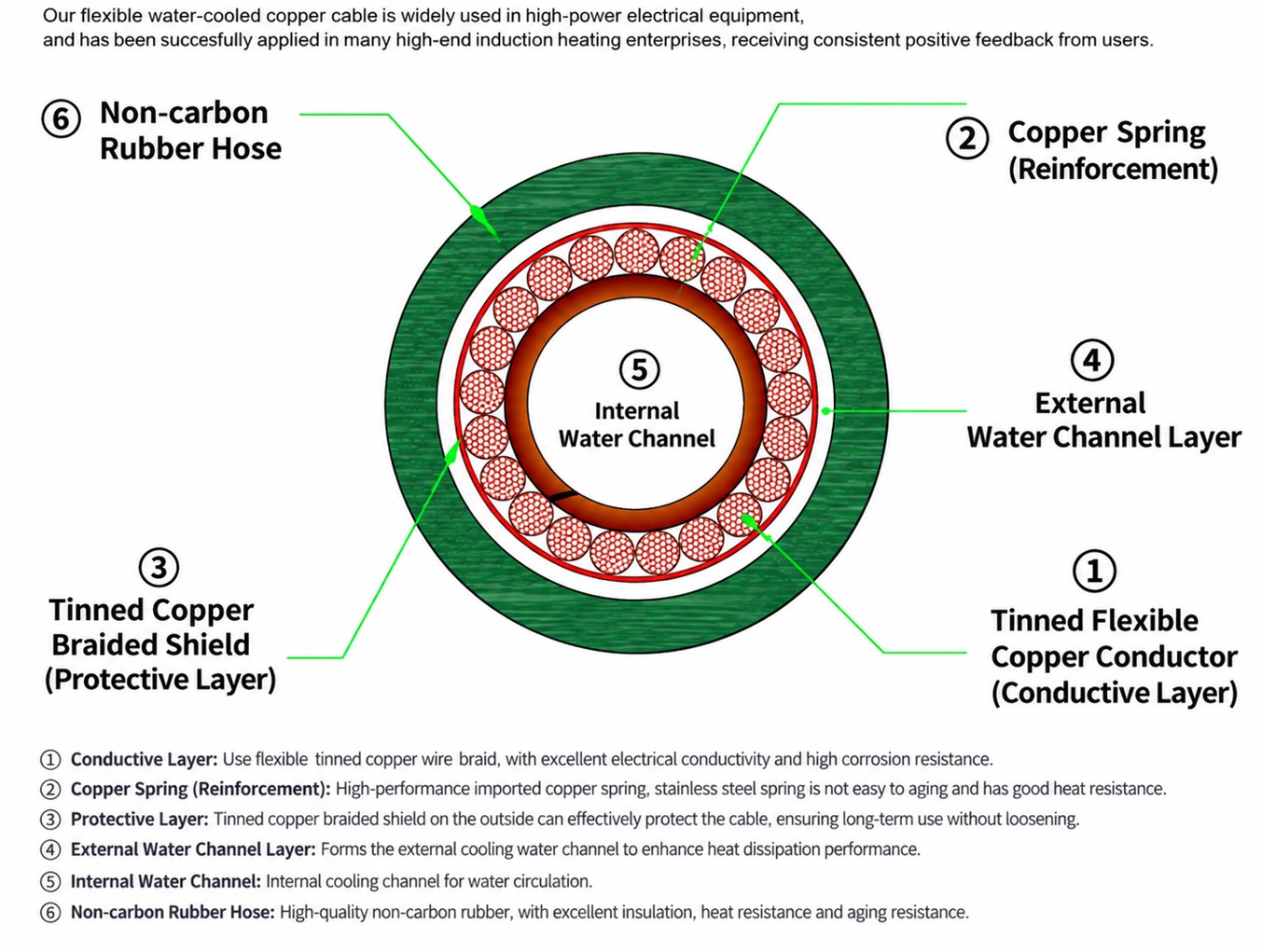
Flexible copper stranded conductors allow the cable to accommodate mechanical movement. In the technical construction for our furnace cable range, the conductive layer is described as tin-plated flexible copper stranded wire.
Tin plating can provide a protective surface layer. It should not, however, be treated as a substitute for correct cable sizing, cooling-water management or proper terminal design.
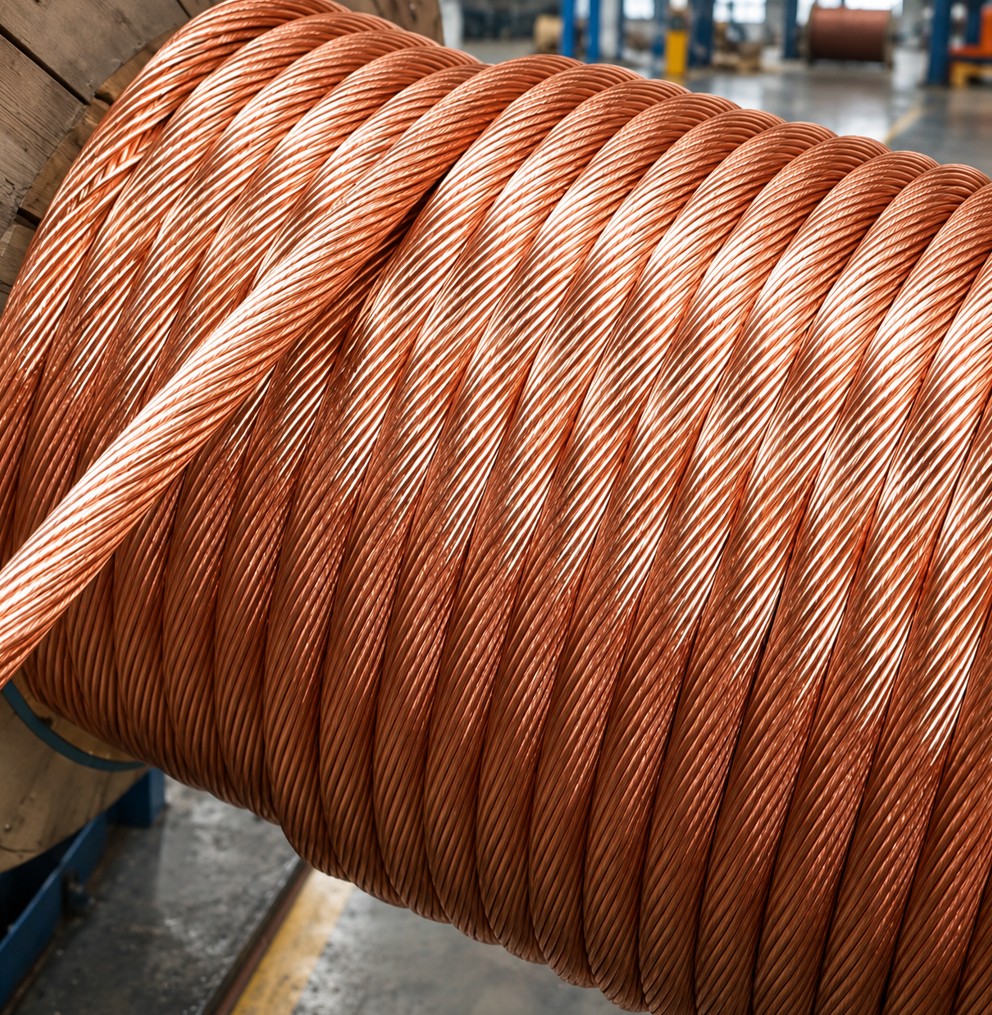
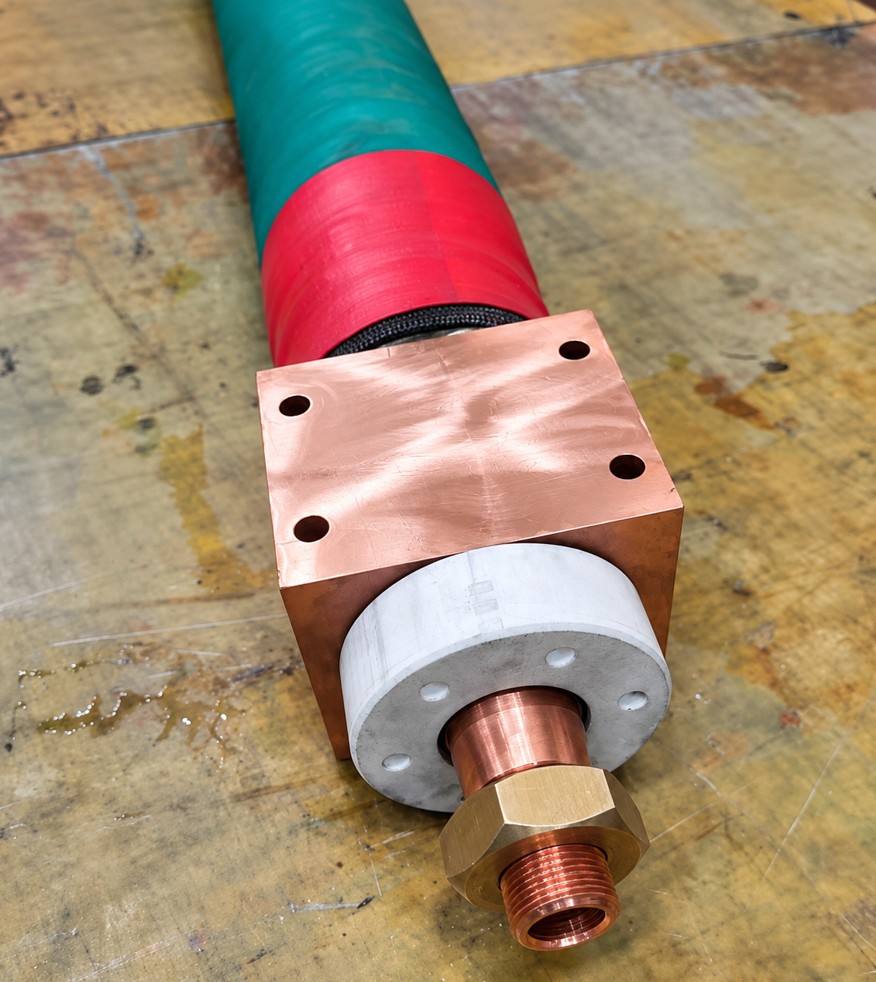
The terminal is another important copper component. Depending on the application, terminals can be machined or manufactured in different geometries to match the customer's equipment.
For procurement, buyers should ask the supplier to identify:
Avoid comparing two cables solely by “copper weight.” A complete assembly must meet the electrical, mechanical and cooling requirements of the furnace.
If your customer specification requires a particular copper grade, surface treatment or terminal design, state it in the RFQ before production.
For customized OEM orders, Zheng Zhou Li Zhao Electric Furnace Co., Ltd. can review the customer's drawings and technical specifications before confirming production.
Related pages: Water-Cooled Cable · Cable Terminals · Induction Furnace Copper Coil · Technical Data · Contact / Get a Quote