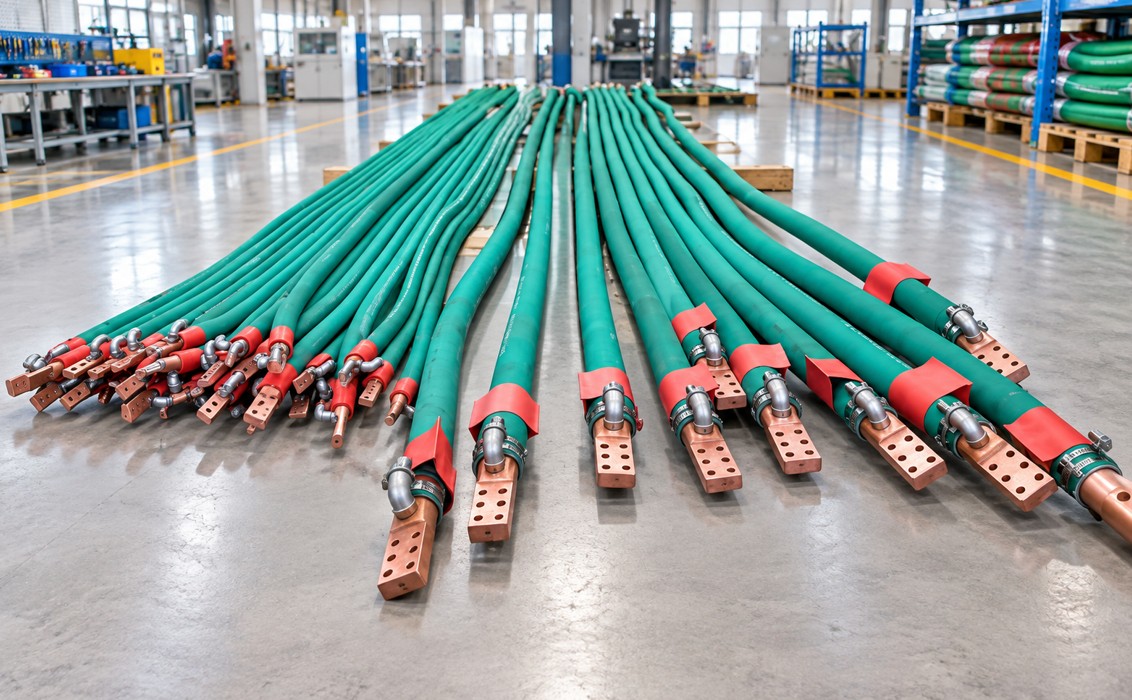

Cable length is one of the simplest specifications to provide, but it is also one of the most common sources of installation problems.
A cable that is too short may be difficult to install and can experience excessive mechanical stress. A cable that is unnecessarily long may create additional routing, movement and space-management issues.
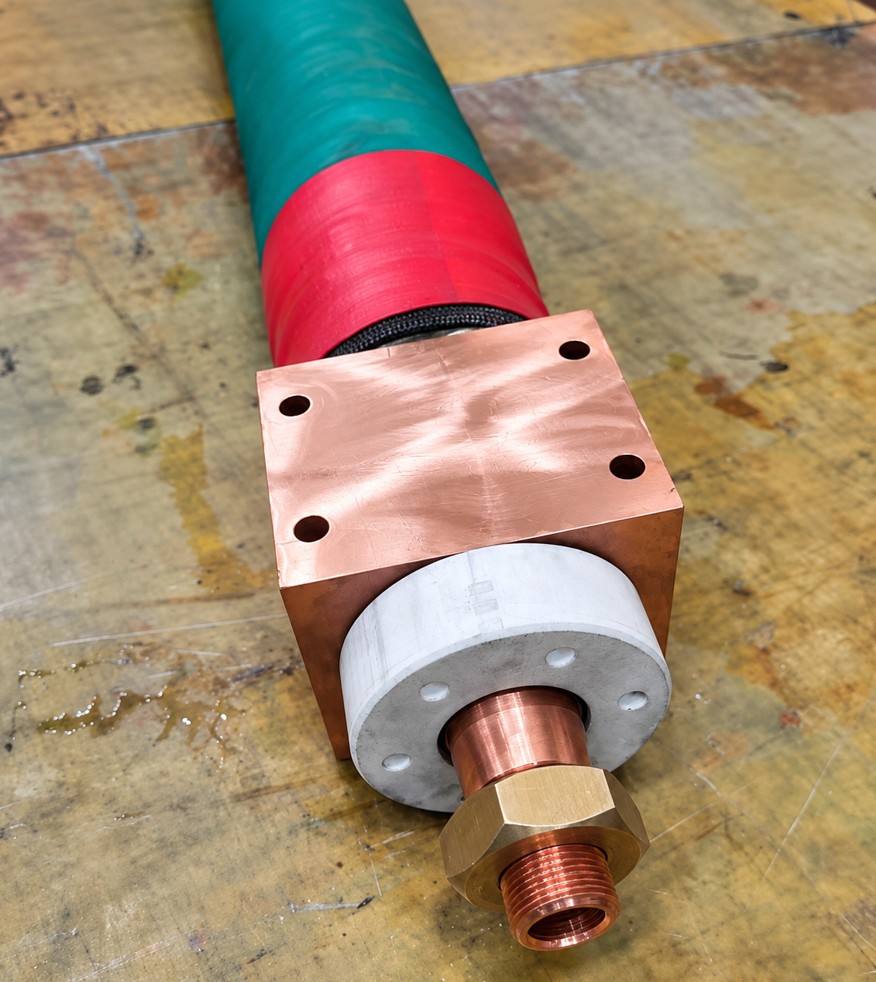
The correct measurement should normally follow the actual connection path and identify the terminal-to-terminal requirement. For replacement cables, measuring the existing cable is usually the safest starting point.
Bending is equally important. Flexible furnace cables are designed for movement, but flexibility does not mean unlimited bending. The installation should avoid sharp bends, crushing, twisting and contact with damaging edges.
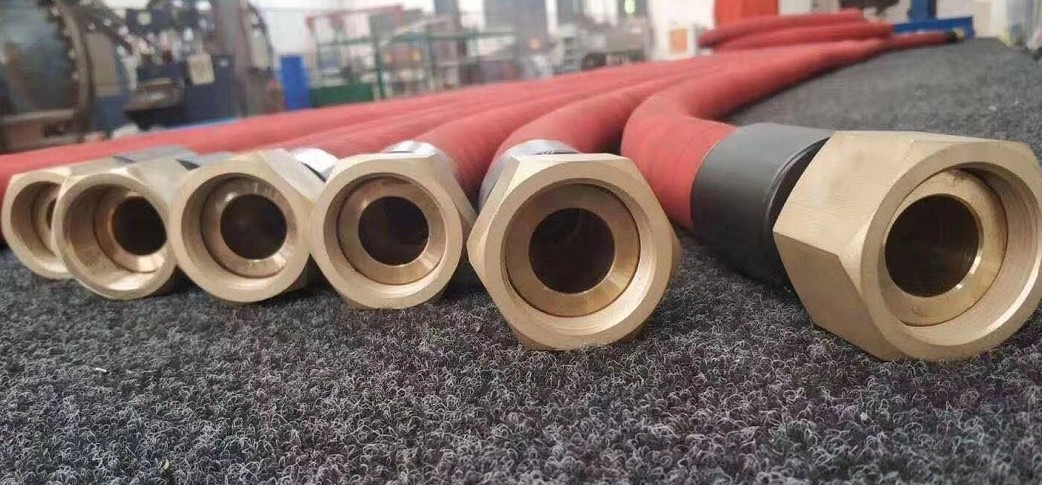
On tilting induction furnaces, observe the cable in both the normal and tilted positions. The cable should have sufficient movement allowance without being pulled tight.
When sending a drawing to the manufacturer, show:
Photos of the installed cable can be more informative than a dimension alone.
If a new furnace is being designed, cable routing should be considered during equipment layout rather than after installation.
Zheng Zhou Li Zhao Electric Furnace Co., Ltd. can review installation photographs and drawings when preparing customized water-cooled cable assemblies.
Related pages: Water-Cooled Cable · Cable Terminals · Induction Furnace Copper Coil · Technical Data · Contact / Get a Quote