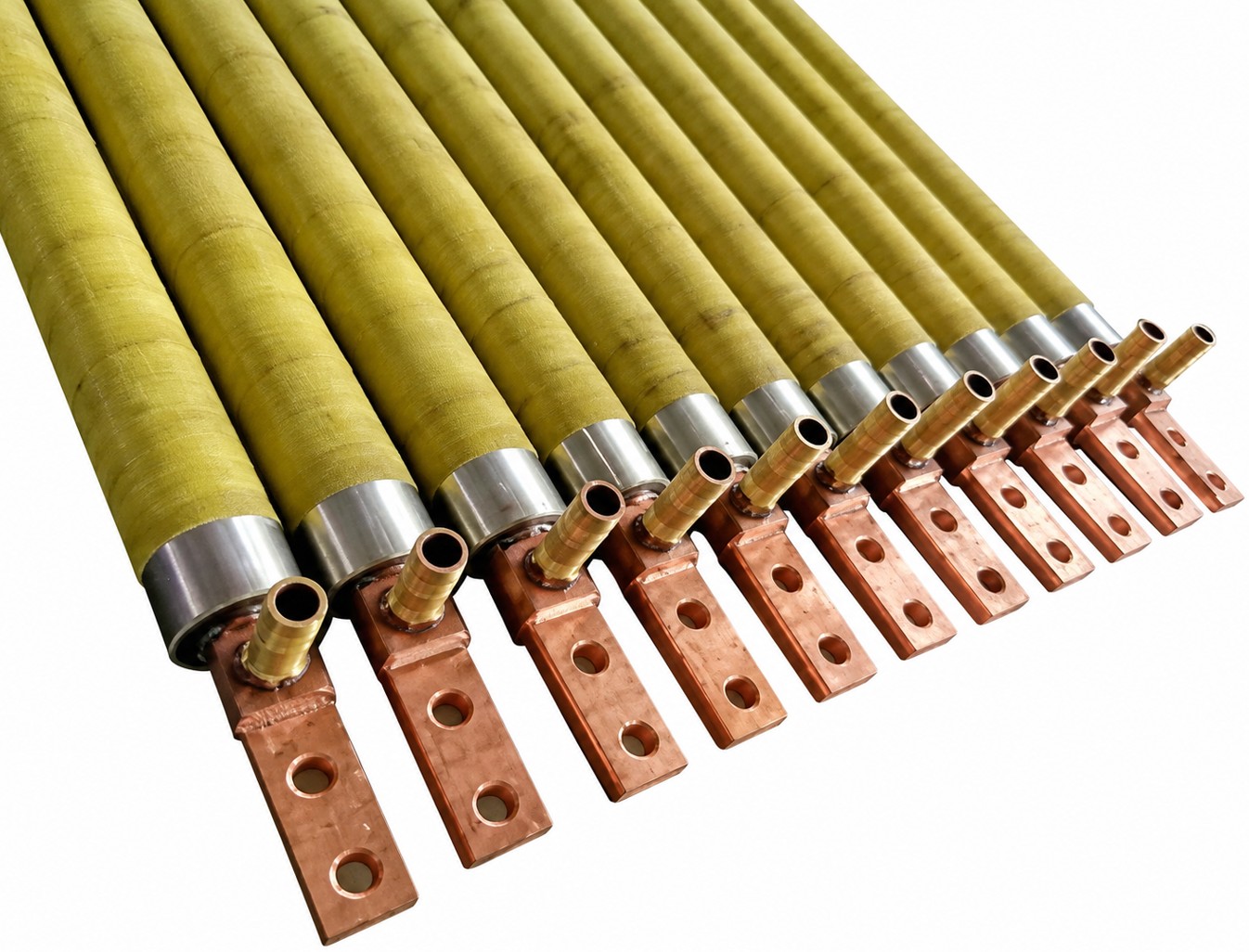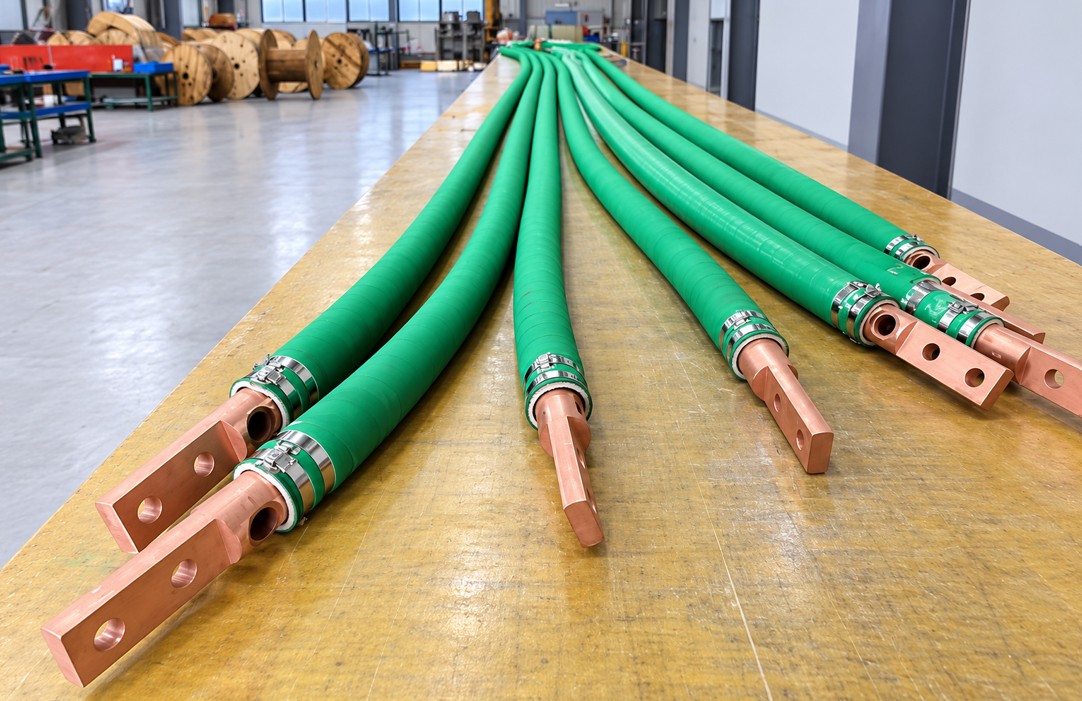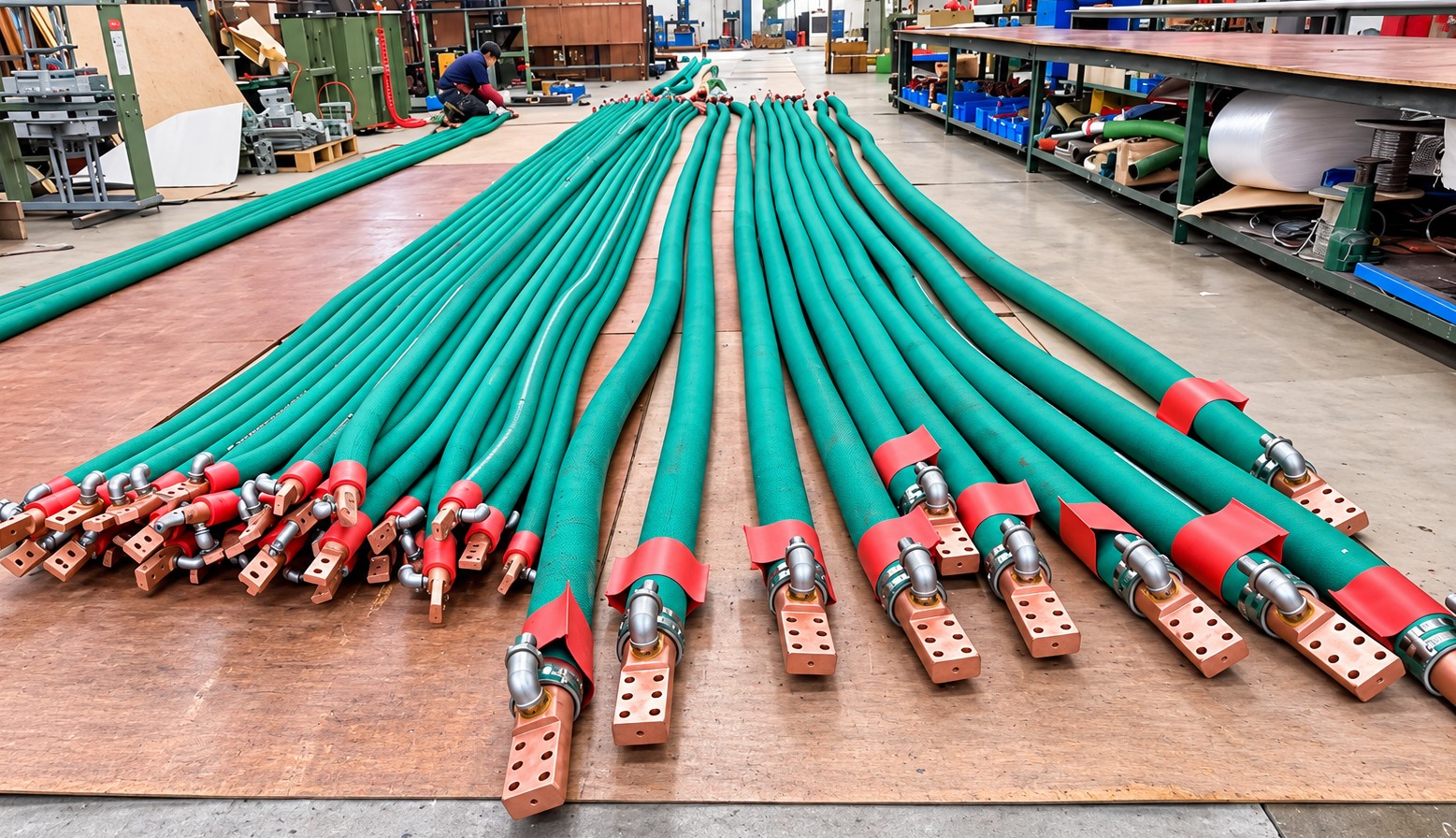
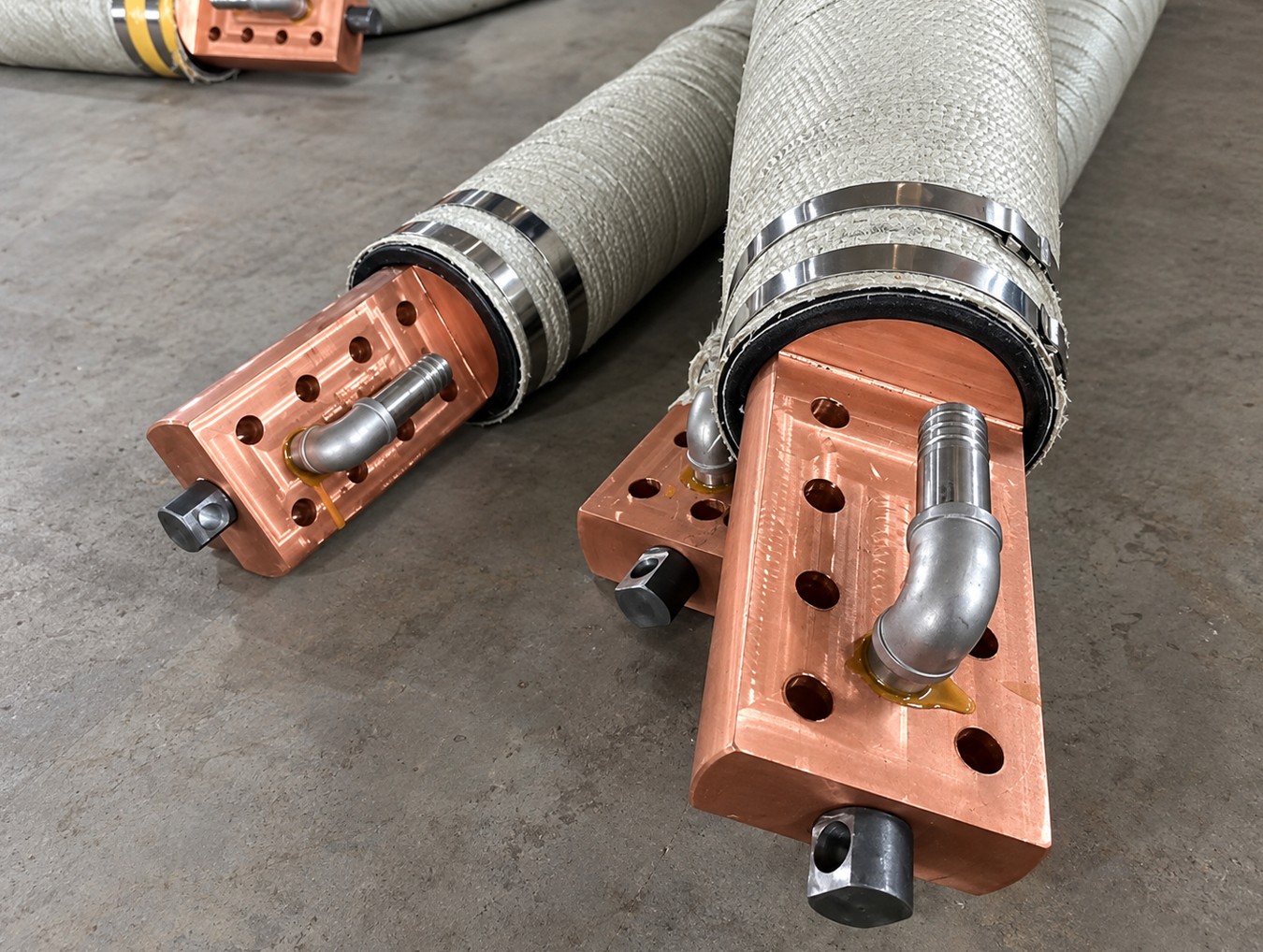
When electrical current becomes very high, thermal management becomes a major part of cable design. Water-cooled power cables are widely used where flexible high-current connections are required in furnace and induction-heating systems.
A water-cooled cable integrates a cooling-water path with the electrical conductor assembly. The water removes heat generated during operation, while the flexible conductor allows movement between equipment components.
An air-cooled cable relies on ambient air and conductor surface area to dissipate heat. For high-current furnace applications, this can lead to larger conductor requirements and different installation constraints.
The choice should not be made from current alone. Engineers should consider current, frequency, cable length, duty cycle, installation movement, ambient temperature, cooling-water availability and the required terminal design.
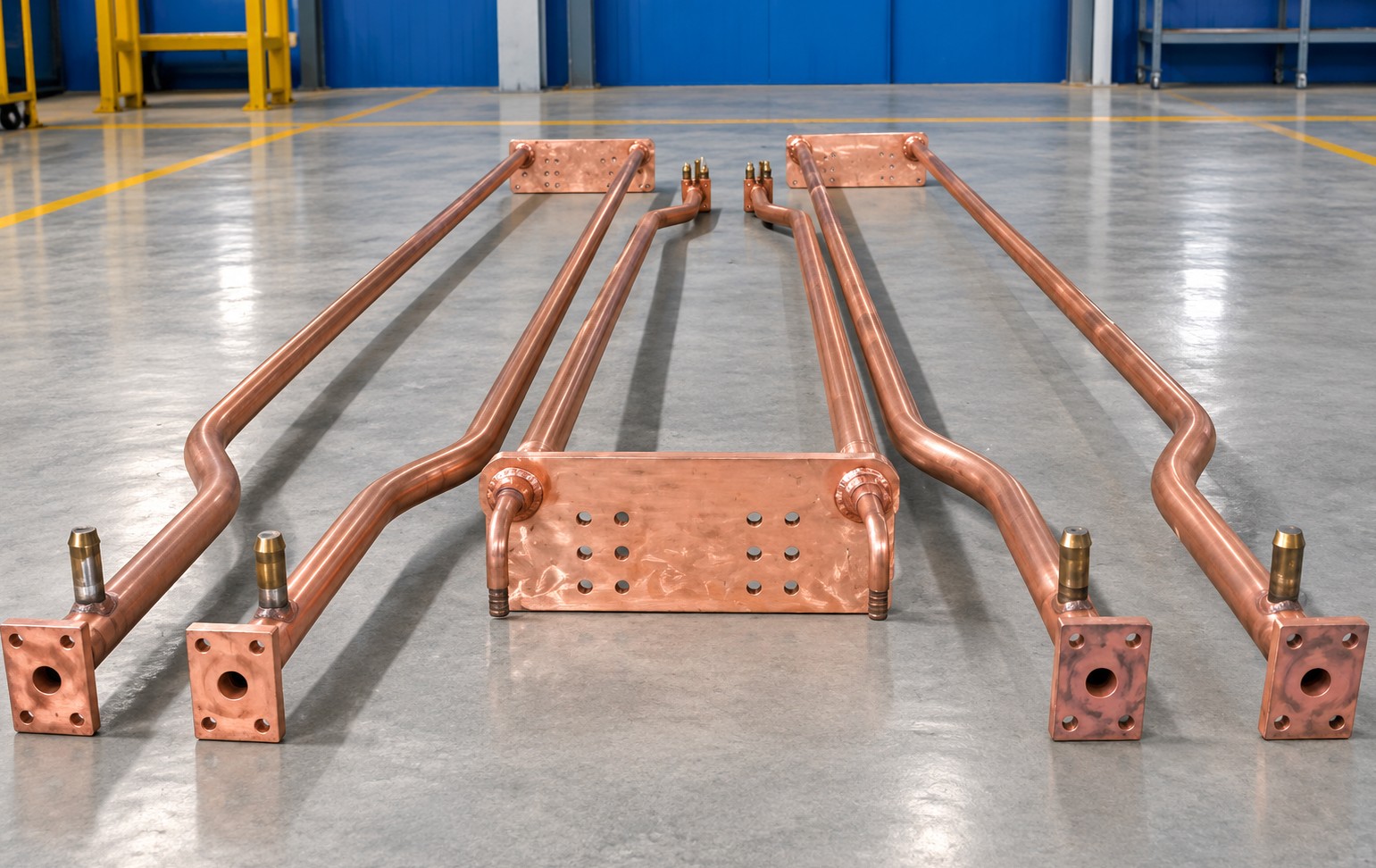
For induction equipment, frequency is particularly important when evaluating flexible leads because electrical losses can vary with operating conditions.
Water-cooled designs are therefore often selected when the system requires a compact, flexible connection capable of carrying high current while controlling conductor temperature.
However, water cooling also introduces requirements for reliable water circulation, hose integrity, sealing and maintenance.
For a procurement project, compare complete systems rather than only cable prices:
A technically suitable cable can reduce installation uncertainty and help the furnace power system operate reliably.
Zheng Zhou Li Zhao Electric Furnace Co., Ltd. supplies customized water-cooled cable assemblies for industrial furnace applications.
Related pages: Water-Cooled Cable · Cable Terminals · Induction Furnace Copper Coil · Technical Data · Contact / Get a Quote