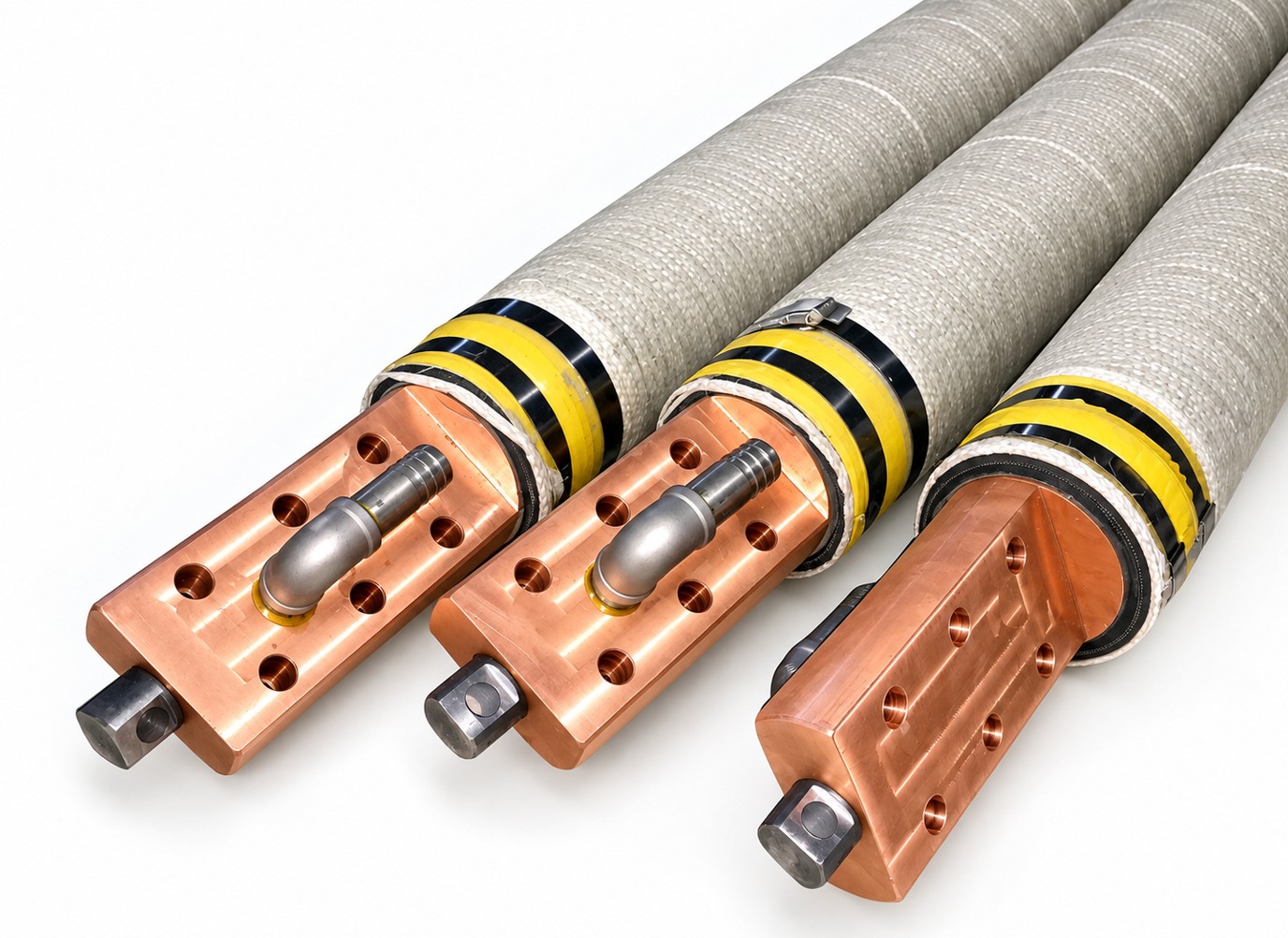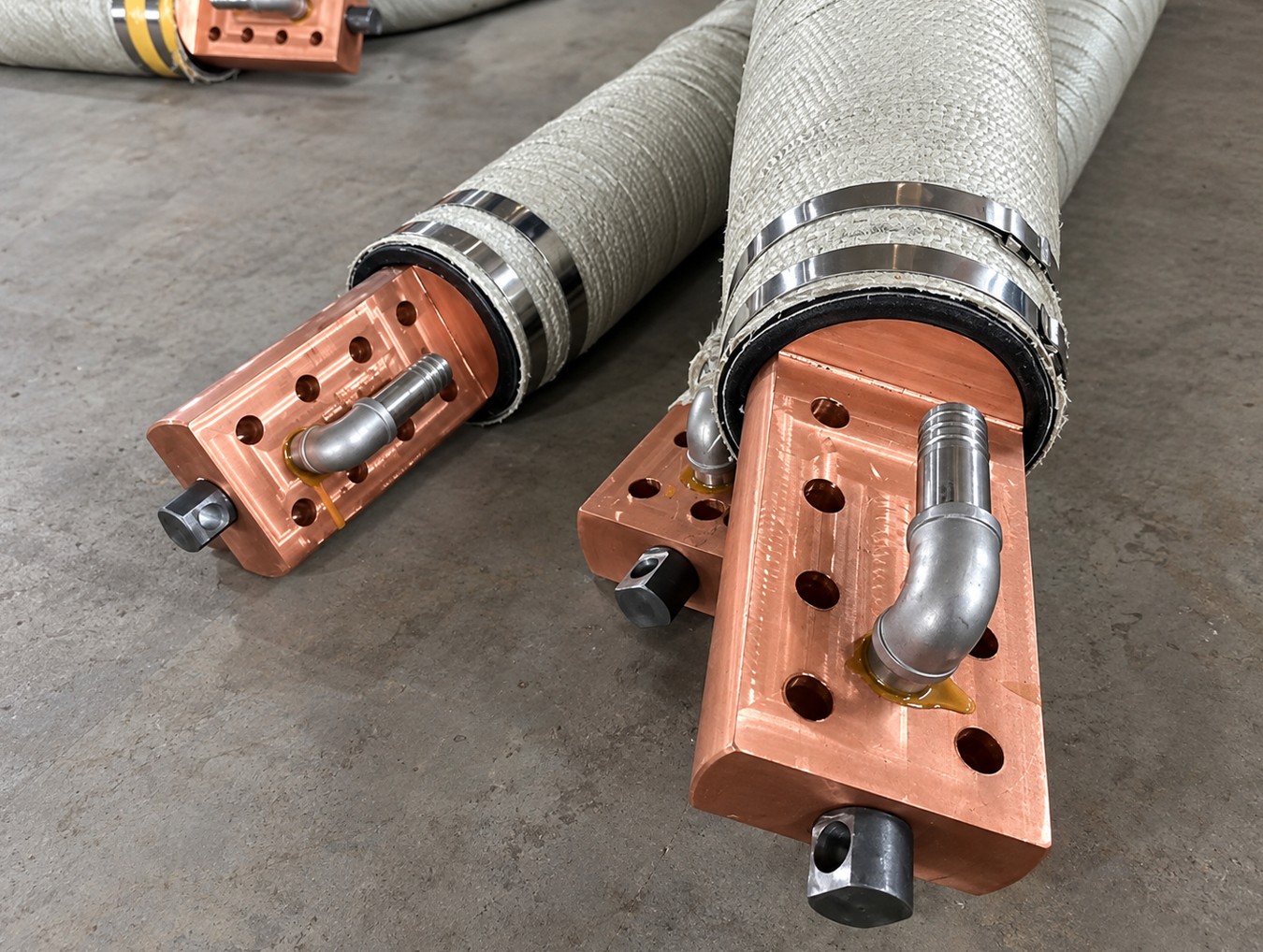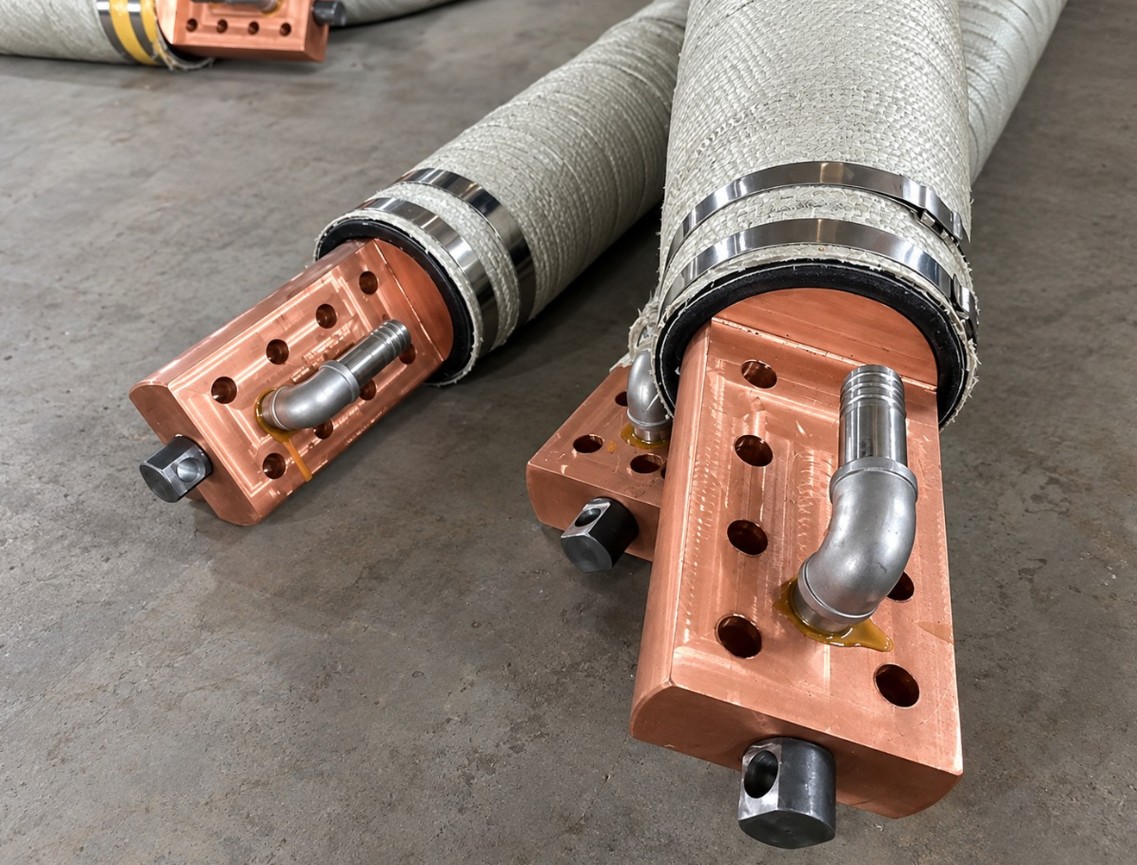
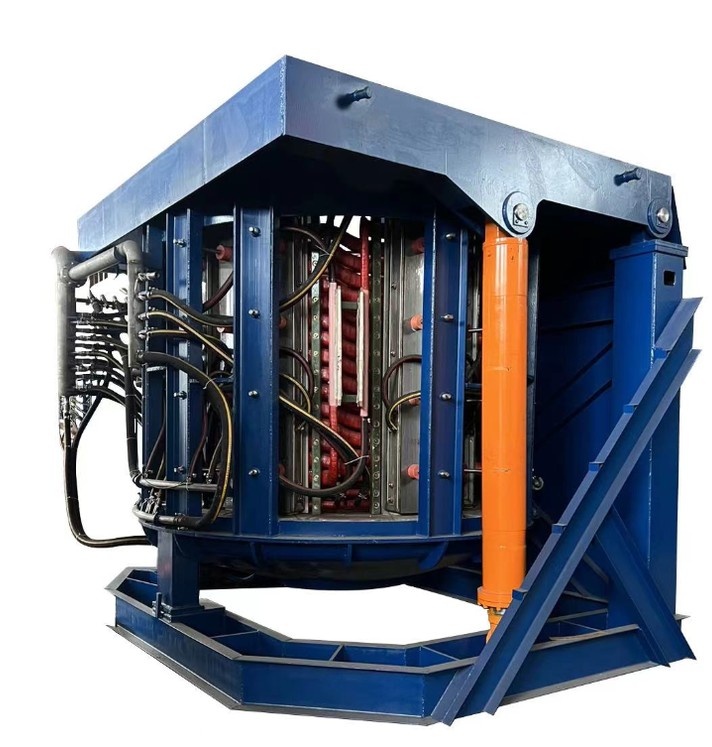
A water-cooled cable works in a demanding environment combining high current, cooling water, mechanical movement and heat. Regular inspection can help identify problems before they become production interruptions.
1. Check the outer hose. Look for cracks, cuts, abrasion, deformation or visible damage.
2. Check water connections. Inspect fittings, clamps and seals for leakage or looseness.
3. Check cooling performance. Watch for abnormal water-flow alarms, unusual temperature changes or other indications from the furnace cooling system.
4. Check the terminal. Inspect the copper terminal and mechanical fastening for visible damage, oxidation or deformation.
5. Check bending condition. The cable should not be forced into a smaller bending radius than its design allows.
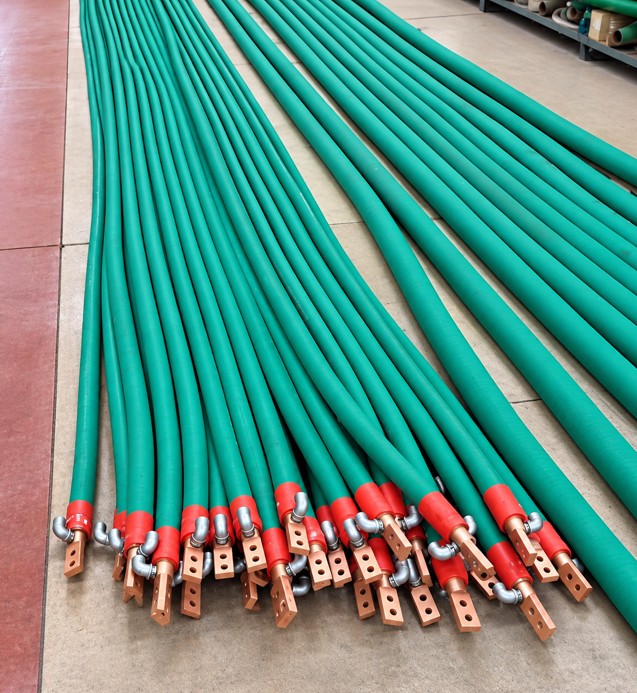
6. Check movement. On tilting or moving furnaces, confirm that the cable moves smoothly without rubbing against sharp edges or hot components.
7. Check electrical symptoms. Unexpected heating, unstable power transmission or repeated electrical alarms should be investigated.
8. Record service history. Keep the cable model, installation date, operating conditions and inspection records. This information is valuable when ordering a replacement.
Maintenance should be performed according to the furnace manufacturer's safety procedures and the customer's electrical and cooling-system requirements.
A water-cooled cable should be treated as part of the furnace's power-and-cooling system, not as an ordinary flexible wire.
If repeated failures occur, send the supplier photographs of the cable, terminal and installation position. A technical review may identify whether the issue is related to sizing, water flow, mechanical routing or terminal configuration.
Related pages: Water-Cooled Cable · Cable Terminals · Induction Furnace Copper Coil · Technical Data · Contact / Get a Quote